
Event · May 2026
Invited to a working session with a major metallurgical engineering company
At the invitation of a major metallurgical engineering company, SIC™ co-founder Dr Ziguang Zhao and Chief Scientist Prof. Yansong Shen met its blast-furnace digitalisation team to align on collaboration needs and the engineering requirements for putting Agent X into steel plants.
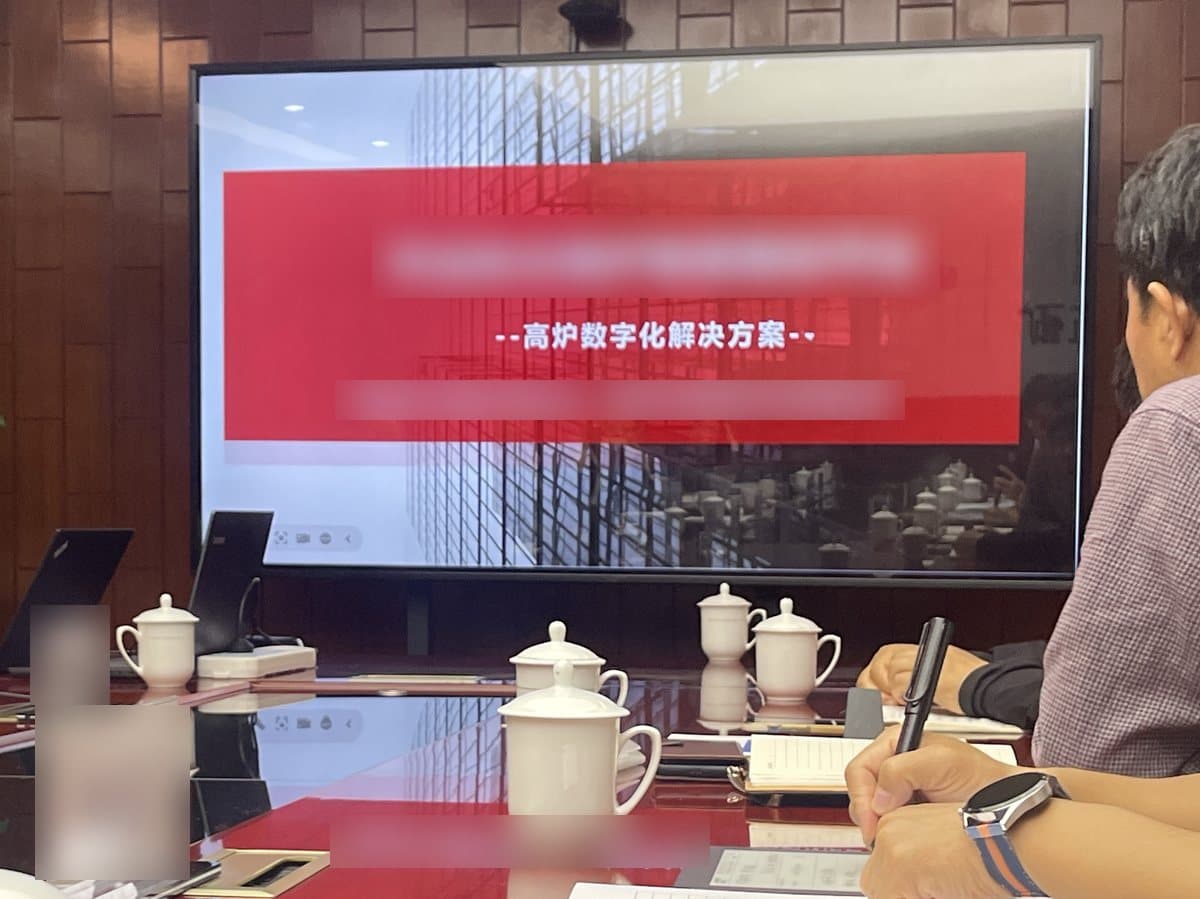
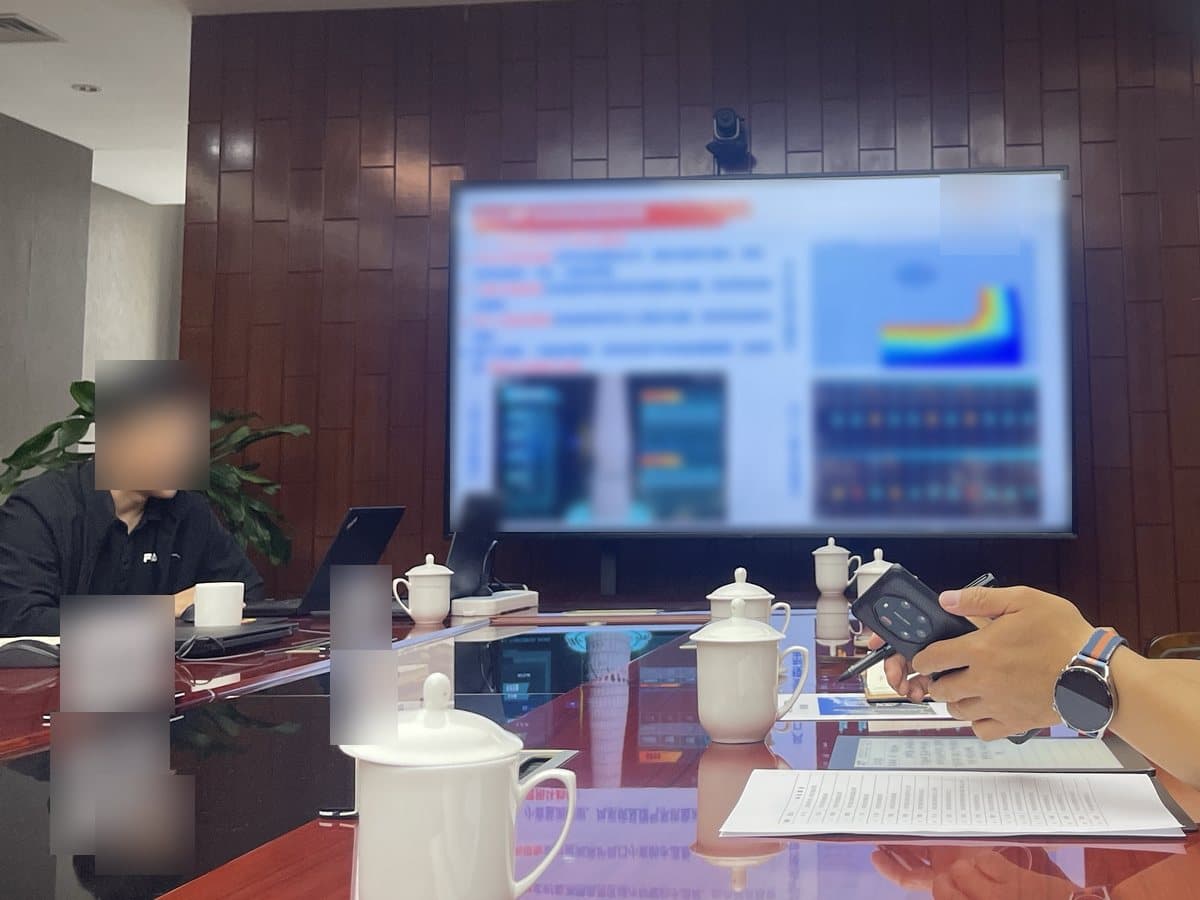
In May 2026, SIC™ co-founder Dr Ziguang Zhao and SIC™ Chief Scientist Prof. Yansong Shen were invited to a working session with the blast-furnace digitalisation team of a major Chinese metallurgical engineering and technology company — a firm that designs, builds and digitalises blast furnaces for steelmakers.
Two views of the same furnace
Engineering companies bring a plant's measured data together on one screen: shell and cooling temperatures, top gas, blast and tuyere conditions. That view stops at the furnace wall. SIC™ BF Smart Agent X adds what measurements cannot show — the cohesive zone, gas flow and temperature field inside the furnace, and how they respond to an operating change.
The session explored how the two fit together: measured data on the outside, physics-constrained prediction on the inside.
What we aligned on
Where collaboration is needed. Steelmakers increasingly ask for blast-furnace digital solutions that go beyond monitoring to decision support for low-carbon operation. A physics-based view of the furnace interior is the piece those solutions are missing.
What "plant-ready" has to mean. The discussion set out the engineering requirements for deploying Agent X inside a steel plant:
- Live data, not manual exports — read operating data directly from the plant's data systems.
- Open interfaces — so existing control-room and digital platforms can call Agent X's predictions.
- On-premise deployment — operating data stays on site, under the plant's own security rules.
- Industrial reliability — stable, maintainable and fast enough for daily operation, not only for studies.
- Validated against the plant — predictions checked against the furnace's own measurements before they guide decisions.
Why it matters
Engineering companies are how new technology reaches blast furnaces at scale. Working with them turns a single-plant deployment into a route to many furnaces — and their requirements now set the roadmap for our enterprise integration work.
If you build or operate blast furnaces and want to explore integration, get in touch.